Few things are as fun as a family trip to the zoo. Although just observing the animals, and telling your child where they are from might educational enough, take the time to incorporate basic life skills with your children by handing them a map of the zoo.
Map skills may be seen as passé, what with
GPS devices
in cars and on
cell phones
; but basic map skills-knowing which way is north or south, and learning how to recognize landmarks- will help children throughout their entire life.
Take, for example, a recent trip my family of took to the Atlanta Zoo. My children were very excited to see the panda bears, (
see the Zoo Atlanta Panda Cam here ) thanks in part to an episode of “
Curious George
”, that they wanted to see the pandas straight away. The problem was that the pandas were nowhere near the entrance. Sure, we could have asked one of the friendly staffers how to find the pandas, but it was just as simple — and fun — to read the map and find our way around the zoo.
Try teaching your children about reading maps with these simple steps in mind:
Step 1- Teach your children how to hold the map correctly.
Although maps are traditionally held with North being held upwards, maps of locations such as zoos should be held with the way you are traveling pointed upwards. Introduce directional terms to your children such as “north, south, east, west” and “right and left” or “before and after.”
Step 2- Recognize important symbols.

Some common locations such as bathrooms, first aid stations and eating areas are fairly universal symbols and frequently pictured in blue and white. Teach your children about other symbols on maps, such as trails or roads, grassy areas, and bodies of water such as streams of pools. Make sure to point out safe places to meet up if you were to become separated.
Step 3- Find your location on a map.
Teach children to look for landmarks that will help them determine where they are. It’s simple to find where you are when you start using the map at the beginning of your zoo trip, just look for the place labeled “entrance.” But if you find a map half way, or decided to start using it later you’ll need to be able to identify landmarks to know where you are. Show your children how can find your location by noting that you are to the “right of the zebras and left of the lions” or just “south of the kangaroo exhibit.”
Step 4-Don’t forget to have fun!
Although larger city maps may have a legend or scale to show you how far distances are, zoo maps aren’t always drawn to scale. Have children estimate how many penguin waddles or kangaroo hops it will take to reach the next exhibit. And of course, let your children waddle, hop, and skip to their heart’s content.

On our outing to the zoo each of my three children asked to hold their own map, and (like the avid explorers that they are) they held on to the maps dutifully on the entire trip. Throughout the day I heard them telling me and each other things such as “gorillas are just ahead” or to “look to the left and you’ll see the tortoise.”
Yes, the zoo may be fun in and of itself, but teaching my children an important life skill is just as exciting to me.


 Some common locations such as bathrooms, first aid stations and eating areas are fairly universal symbols and frequently pictured in blue and white. Teach your children about other symbols on maps, such as trails or roads, grassy areas, and bodies of water such as streams of pools. Make sure to point out safe places to meet up if you were to become separated.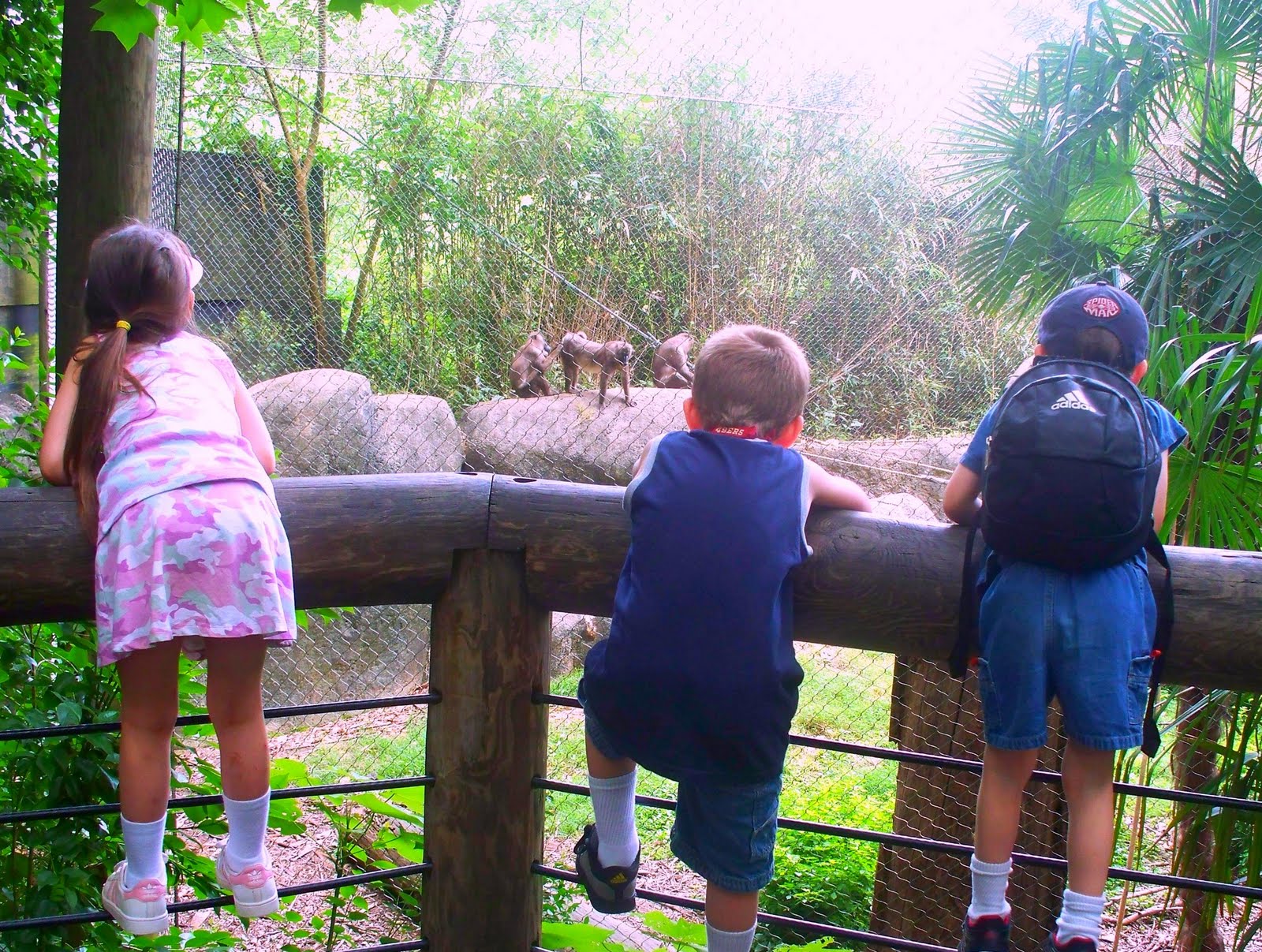


 to commemorate the event with the kids. Check out the Washington Department of Fish & Wildlife for interesting facts on the beautiful birds.

 Depending upon your age and grasp of mathematics, you might not be ready for algebra until you're in high school. (Take me for example, I freakishly passed the entrance exam for algebra while in the 6th grade, and was terrorized with confusing math homework for weeks in the 7th grade until I was taken back a knotch.) Don't worry, by 9th grade algebra was easier for me to grasp. Just keep in mind that everyone is at their own pace with some things, so don't worry if your child or student doesn't understand Algebra initially.
  Of course there are security issues to consider. Will the blog be public or private? Will you allow photos of your children and their friends on the blog? Will you allow commentary from other people? All these things will depend upon the age of your child, and their development.

 Chemistry projects don't need to be relegated to the classroom- you can be a scientist at home too!
 HERE
HERE or HERE
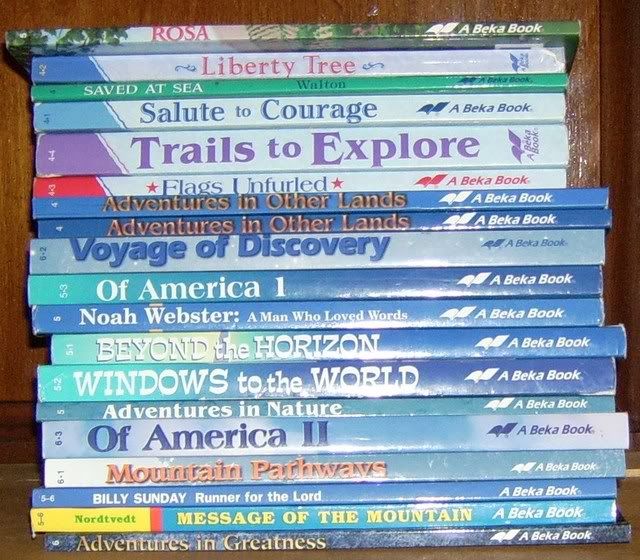 The decision to homeschool should not be taken lightly. While homeschooling may not be appropriate for each family or family situation, there are significant benefits to homeschooling your child.
